Strategy
Part of Building a customer success software strategy without buying on features alone
How do you build a customer success software strategy framework?
A step-by-step guide to building a customer success software strategy framework, covering objectives, journey mapping, data, team roles and vendor scoring.
What to take away
- The framework comes first; customer success software implements it.
- The 2023 business population estimates counted 5.6 million private sector businesses in the UK, so most retention software buyers serve a crowded market (Business population estimates 2023, GOV.UK).
- A framework links retention goals to data, people and process before you compare tools.
- Start with two or three measurable outcomes, not a feature list.
- Score vendors in a comparison table against your own criteria, not their marketing.
- Review the framework each quarter, because usage and expectations shift.
Set the retention objective
Your framework starts with one clear objective. For example, a team with 1,200 accounts could target net revenue retention of 95 per cent by 31 December 2026, owned by the head of customer success, reviewed on 30 June 2026. Write the objective in numbers, name the owner and set a review date.
Benchmarks vary by segment, contract length and how the metric is calculated, so treat 95 per cent as your own target rather than an industry standard. Compare it with your own retention history and write down how net revenue retention is calculated, so the number means the same thing every quarter.
If the goal is vague, every demo will look equally relevant.
Retention objective in numbers
- £400 | monthly retention software spend
- 5 points | net revenue retention lift target
- 2 quarters | time to achieve the lift
- 2 | objectives to start with
Two objectives are usually enough at the start: one for retention and one for expansion. Any more and the reporting burden grows faster than the insight.
Map the customer journey
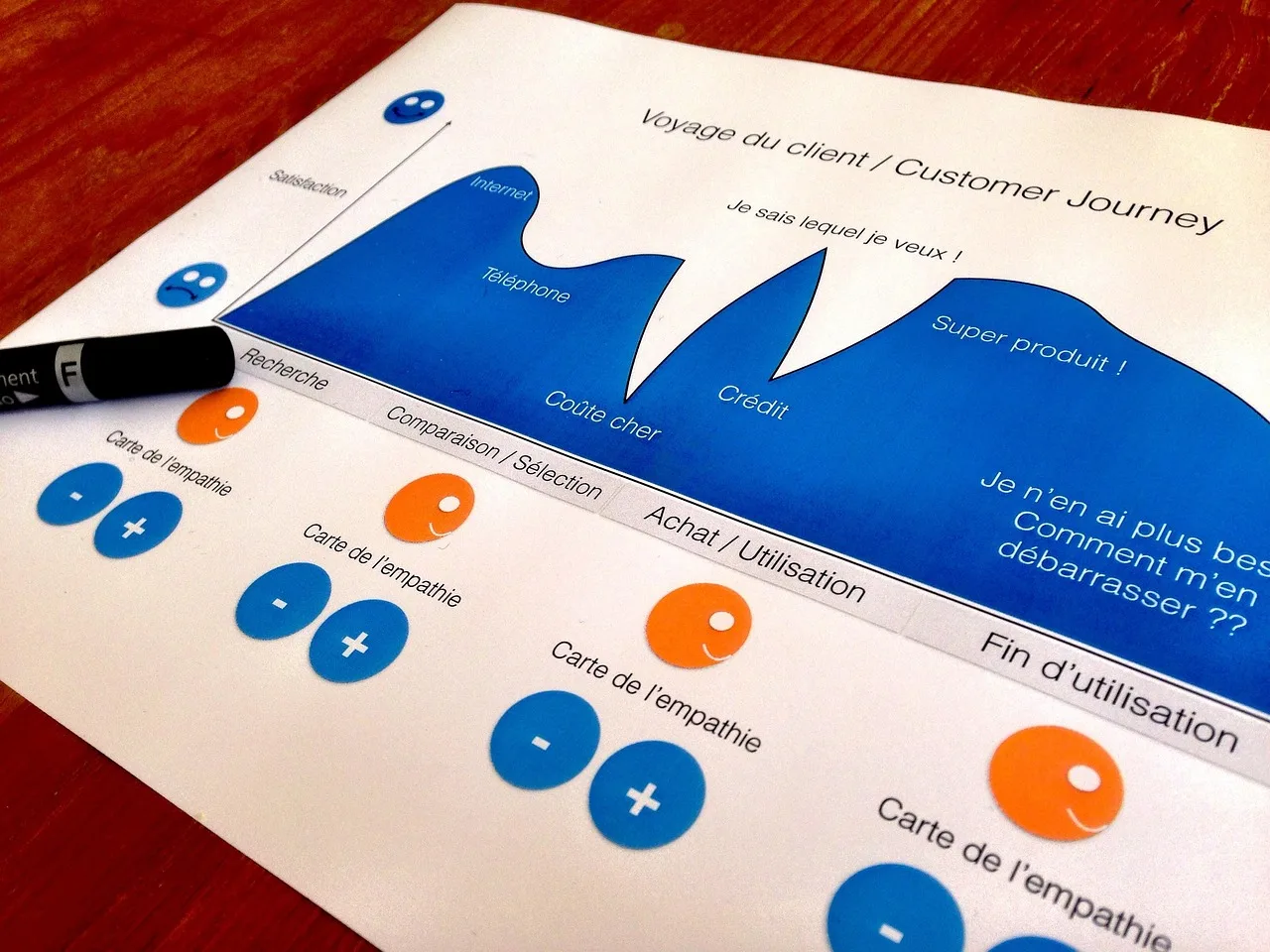
List the stages a customer passes through: onboarding, adoption, value realisation, renewal and expansion. For each stage, note the signal that shows whether the customer is on track.
Customer journey stages
- Onboarding
- Adoption
- Value realisation
- Renewal
- Expansion
Decide which signals matter most. Product usage, support tickets and payment history are common, so avoid tracking everything; pick three signals per stage and agree how you will collect them.
These signals are personal data. Under UK GDPR you need a lawful basis for processing product usage, support tickets and payment history, and the ICO expects you to collect only what you need and to set a retention period. Record both in the framework before you start collecting.
A planning template forces you to document data sources and owners before you buy software. See the customer success software planning template and agree who collects each signal, because unowned data goes stale.
Choose the data model
The data model decides what your software can report. Define the customer identifier, the account hierarchy and the refresh frequency. If your CRM and product database use different identifiers, retention reporting will break.
Write the refresh frequency into the specification. Daily data suits health scoring, while monthly data is enough for renewal forecasting.
AI can help prioritise accounts when data is clean. See Salesforce's overview of AI for sales before assuming a vendor's AI features will work without a data model.
Assign roles and process
A framework needs owners. Name who reviews health scores, who contacts at-risk accounts and who approves expansion plays. Without owners, health scores become dashboards nobody acts on.
Escalation paths matter as much as ownership. Decide who the customer success manager contacts when an at-risk account needs a commercial decision.
Write a one page runbook for each journey stage, covering the trigger, the action and the expected outcome. Test it with two accounts before rolling it out.
Compare vendor options
Use a comparison table to score vendors against your framework, not their feature lists. Fill in the table below with your own weightings.
The established platforms you are likely to see on a shortlist include Gainsight, ChurnZero, Totango, Planhat, Vitally, ClientSuccess and Custify. They differ in data model, journey configuration and pricing model, so put the ones that fit your segment into the table and score them on your own criteria.
What to check
- Data integration
- Native connectors for CRM, product and billing
- Journey configuration
- Can you model your stages without custom code?
- Reporting
- Net revenue retention, churn and expansion views
- Workflow automation
- Triggers, tasks and alerts for at-risk accounts
- Total cost
- Licence, implementation and admin time
Why it matters
- Data integration
- Broken data undermines every health score
- Journey configuration
- Your framework should drive the tool
- Reporting
- Board reporting needs consistent definitions
- Workflow automation
- Teams act faster when prompted
- Total cost
- A low licence fee can hide high service costs
The example below uses two placeholders, Vendor A and Vendor B, to show how the scoring works. Replace them with the platforms you shortlisted above and score each one against your own weightings.
| Criteria | Weighting | Vendor A score | Vendor B score |
|---|---|---|---|
| Data integration | 30% | 4 | 2 |
| Journey configuration | 20% | 3 | 5 |
| Reporting | 20% | 4 | 3 |
| Workflow automation | 15% | 2 | 4 |
| Total cost | 15% | 3 | 5 |
| Weighted total | 100% | 3.35 | 3.55 |
Score each vendor from one to five on every row, then multiply by your weighting. The highest score is not automatically the winner, but the exercise exposes gaps in your framework. If you cannot define a criterion, you are not ready to buy.
Agree the weightings as a team before you score anything. Data integration deserves the heaviest weighting when your systems are fragmented.
Cost needs the same discipline as the rest of the framework. Vendors rarely publish list prices, so ask each one for a written quote that separates licence, implementation and admin fees, then convert it to a cost per managed account so the comparison is like for like. Add the internal cost of cleaning CRM and product data, which falls on your team rather than the vendor.
Review and iterate
Set a quarterly review. Check whether the signals still predict retention, whether owners act and whether the software supports the process. Adjust the framework before you adjust the contract. Record what changed and why, so the next review starts from evidence rather than memory.
Efficiency matters when sales cycles lengthen. HubSpot's guide to closing more deals is useful when you design expansion plays.
For a wider view of how strategy and planning fit together, read the customer success software strategy and planning guide.
What good looks like
- One retention objective with numbers, an owner and a review date.
- Three signals per journey stage, each with a named data source.
- A lawful basis and retention period recorded for every data source.
- A filled-in scoring table with agreed weightings, using named platforms.
- A written quote covering licence, implementation and admin fees.
- A quarterly review date in the calendar.
- A one page runbook tested with two accounts.
Common questions
How long does it take to build a framework?
A first version can take two to four weeks if your data is clean. Allow longer if CRM and product data need reconciling.
Do we need software before the framework?
No. Define objectives, journey stages and data first. Software should implement the framework, not replace it.
Who should own the framework?
The customer success leader usually owns it, with support from sales operations and data teams. One named owner prevents drift.
How often should we update it?
Quarterly is a practical rhythm. Review sooner if retention or expansion results move sharply.